Feel The Wave

Where you begin your personal growth journey.

Tag: Personal growth

  • Little Progress Every Day Leads to Huge Leaps

    Little Progress Every Day Leads to Huge Leaps

    It’s the little things in life that matter. Have you ever heard that phrase before?

    We usually hear it when we miss out on something big and feel discouraged. Other times, it’s a friend trying to cheer us up, or simply something we tell ourselves to put things back into perspective.

    Little, simple, straightforward things aren’t only important in life’s events; they’re also important when it comes to improving ourselves.

    When we practice, we improve a little every day. Over time, that small progress can lead to massive gains. But when we boil it down, those gains took time and effort. You can’t improve monumentally overnight.

    You don’t train for a triathlon for one day and suddenly become ready to compete. You start small. Maybe you run a couple of miles one day, bike the next, and swim on the third. Every day, you make sure you get your workout in, or get the rest your body needs.

    Day after day, you continue.

    Because you improved incrementally, when the date on the calendar arrives, you’re ready.

    The same applies to almost everything we want to accomplish in life.

    You are shaped by your habits and actions. Those small daily actions are what build you. You get a little bit better every day because your daily routines and positive habits stack up.

    Regardless of how small or insignificant an action may seem, it is still adding up. It is not nothing.

    Those actions are what bring you closer to your goal. They are the road. They are the process.

    As Ryan Holiday puts it:

    “This is why today and every day you need to focus on those little things—the habits, the discipline, the refusal to make excuses. No single action seems significant as it occurs, but over time they accumulate.”

    What you do every day shapes your future and, eventually, how you see yourself.

    A runner runs.
    A writer writes.
    A painter paints.

    The things you repeatedly do become part of who you are.

    This is why you shouldn’t underestimate the small decisions you make every day. Going for the run. Writing the paragraph. Reading the page. Practicing the skill. Choosing to do the difficult thing instead of making an excuse.

    One action may not seem like much.

    But do it tomorrow.

    And then the next day.

    And the day after that.

    Track your decisions and what you do every day, then look at how far you’ve come after a month, six months, or a year.

    You’ll be amazed at how much one decision a day can change your life over the course of a year.

    Little progress every day can eventually lead to huge leaps.

    Take care.

  • Get to Know Yourself Through Introspection

    Get to Know Yourself Through Introspection

    We live in a world filled with constant noise. From the moment we wake up until we go to bed, something is demanding our attention. Social media, emails, television and endless notifications leave very little room for one simple but essential activity—thinking. We may feel productive because we’re always doing something, but in reality, we’re often just running in place.

    Social media has taken much of our free time hostage. Our minds are constantly being bombarded with information, leaving little opportunity to process our own thoughts. Our brains aren’t designed for a constant stream of input, especially from the artificial light and endless stimulation produced by smartphones, televisions and computer screens. Over time, this can leave us feeling mentally exhausted and disconnected from ourselves.

    Taking time to think—not just about life, but about yourself—is one of the best ways to discover who you truly are. It helps you understand what you enjoy, what gives you energy and what matters most to you. Many people go years without ever taking the time to get to know themselves. Instead, they allow family, friends and even strangers online to influence who they should be. Eventually, they look in the mirror and struggle to recognize the person staring back at them.

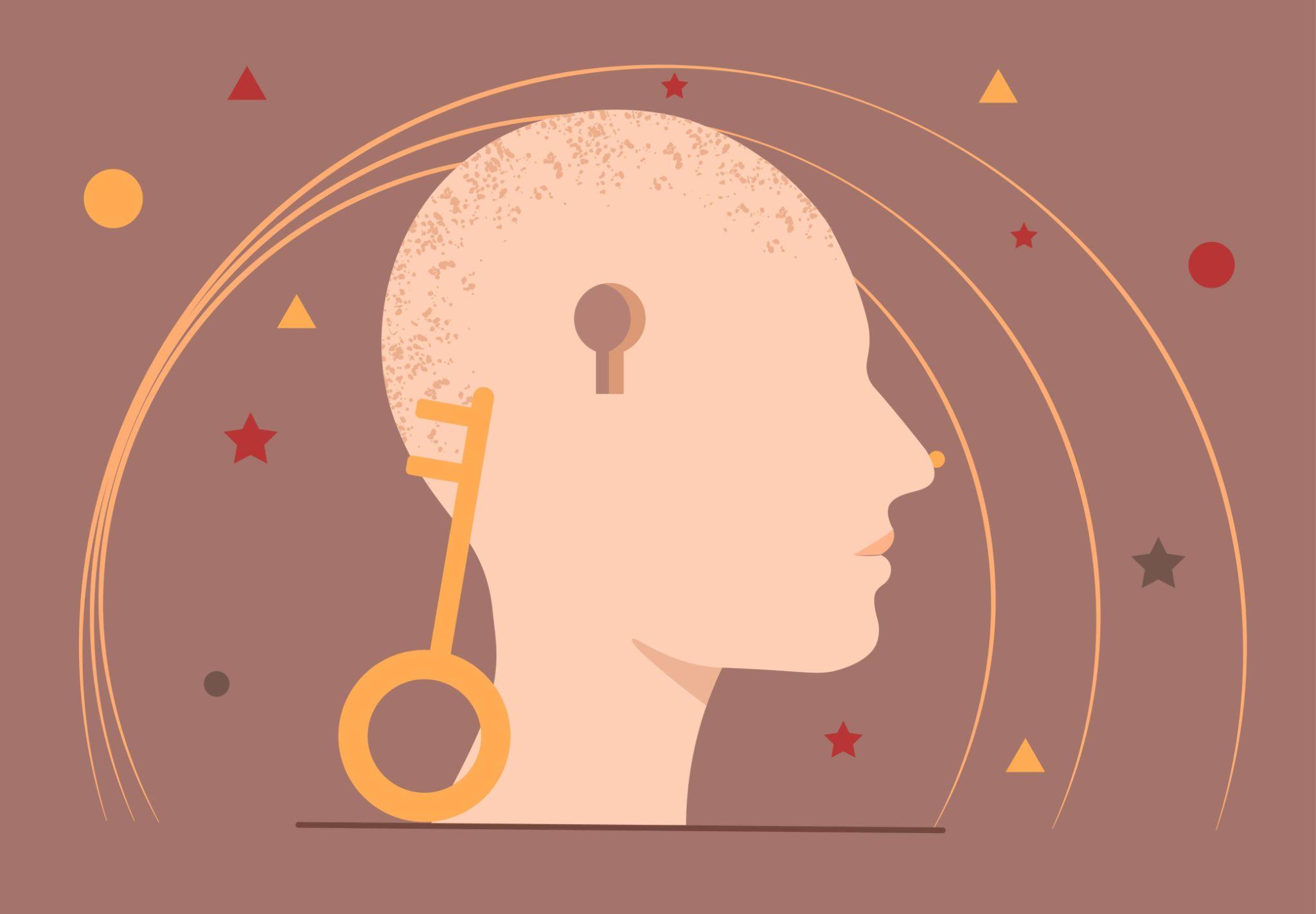
    This is where introspection becomes so valuable. Introspection is the process of examining your own thoughts, emotions and experiences with honesty and curiosity. It allows you to step back from the noise of everyday life and better understand what’s happening within you.

    One of the simplest ways to practice introspection is by writing. Writing slows your thinking down. Thoughts that feel scattered in your mind often become much clearer once they’re written on paper. Set aside just two to five minutes each morning and write whatever comes to mind. Don’t worry if it doesn’t make sense at first. Read it back, reflect on it and continue writing. As you practice, you’ll notice your thoughts becoming clearer and your ability to express them improving. Like any skill, learning to put your thoughts into words takes time and repetition. Taking time to write your thoughts not only improves self-awareness but can also strengthen your memory over time.

    As you become more intentional with introspection, you naturally develop greater self-awareness. Self-awareness is the ability to understand yourself and recognize your thoughts, emotions and behaviours. The better you know yourself, the more confident you’ll become in your decisions. Rather than reacting to life, you’ll begin responding with purpose and intention. This sense of clarity often leads to greater peace of mind and improved mental well-being.

    Knowing what you want also makes it easier to recognize what you don’t want. You begin making choices that align with your values instead of simply following expectations or outside influences. People who understand themselves tend to feel more content because their decisions reflect who they truly are rather than who others expect them to be.

    You can’t truly know yourself without asking meaningful questions and taking the time to reflect on the answers. Through introspection and writing, you gain a deeper understanding of what you love, what challenges you and what kind of life you want to build. That understanding becomes the foundation for making decisions that align with your values and bring greater fulfillment.

    Take a few minutes each day to slow down, reflect and write. The better you know yourself, the more intentionally you’ll live.

    Take care.

  • 7 Reflection Statements to Consider 

    7 Reflection Statements to Consider 

    Life can become hectic and feel out of control when we don’t take time to pause and reflect. Sometimes all it takes is a few minutes of honest self-reflection to regain perspective and remind ourselves of what truly matters.

    The reflection statements below are meant to do just that.

    Step Away and Work on Yourself

    Work quietly and don’t tell everyone what you’re working on. Avoid bragging or sharing every detail of your plans. Grow in silence, build yourself up, and reveal your progress when you’re ready. People can’t discourage what they don’t know, and by the time they see your progress, you’ll be much stronger than when you started.

    Find the Light

    At some point, everyone experiences difficult seasons. They may last a week, a month, or even a year. We all process hardship differently because our experiences are unique.

    Whatever you’re going through, remember that there is always light within you. Even when life feels dark, the goodness inside you still shines, often brighter than you realize.

    Change Is Possible

    If you truly commit yourself, your life can look completely different in a year.

    It won’t be easy. Sacrifices will be required, and progress may feel slow at times. But the effort is worth it. Set a goal, create a plan, and begin taking consistent action.

    Choose Your Friends Wisely

    Surround yourself with people who bring out the best in you. Good friends encourage your growth, celebrate your successes, and support you during difficult times.

    If the people around you don’t do that, it may be time to find new ones.

    Your Happiness

    Every once in a while, ask yourself whether you’re truly happy.

    Answer honestly.

    If the answer is no, ask yourself what’s missing. Once you’ve identified it, begin working toward creating the life you truly want.

    Start Fresh

    Sometimes life becomes so overwhelming that a complete change is necessary.

    You may need to pivot. You may need to take a leap of faith and leave behind everything you’ve known.

    It will likely be uncomfortable and even frightening, but sometimes starting over is exactly what allows you to move forward.

    Use Your Time Wisely

    Everyone has the same twenty-four hours in a day, the rich and the poor, the young and the old.

    Time cannot be bought, so use it wisely. Spend it on the people, habits, and goals that matter most.

    There you have it, seven reflection points you can use to evaluate your current situation.

    Consider reflecting on one each week or whenever you feel yourself drifting away from what’s important. Reflection creates clarity, and clarity leads to better decisions, a more meaningful life, and a stronger version of yourself.

    Take care. 

  • You Always Have a Choice

    You Always Have a Choice

    Sometimes we think we don’t have a choice. We worry, feel stress, and carry doubts, those things are inevitable. To a certain degree, they are part of life, but they don’t need to linger longer than necessary.

    External circumstances may influence how you feel, but they are not the true source of your emotions. You are the one who decides how to respond in certain situations. You are the master of your world.

    Emotions are part of being human, but we can’t allow them to control us. You can do something about your anxiety, your stress, and your shame. It takes work and requires facing things you may not want to confront, but the benefits that come from accepting the realization that you have the power to change yourself are unmatched. Look within yourself and ask why you feel the way you do.

    There are different ways to discover why you react to certain things. The first step is awareness. Once you realize something triggers you, try to look at it objectively. Ask yourself what could be done differently next time. If you tell yourself there’s nothing you can do, you may be lying to yourself. When we react poorly to situations, that reaction is often the very thing we have the power to change.

    There may be nothing you can do to change the event itself, but you always have the ability to change or improve your reaction to it. If you can change something externally, great—go do what needs to be done. But if you can’t, why carry the weight of worry?

    We can’t control external circumstances. We can influence them, but we cannot let ourselves become consumed by them. Instead, we must learn to master our internal thoughts and emotions. When you master the internal game, the external world loses much of its power over you.

    Address the problem where you can actually make a difference: within yourself. External events are rarely the real problem; how we react to them often is. The discomfort resides within us, and that is good news—because it means we can do something about it.

    Take care.

  • The What the Hell Effect: How Small Setbacks Derail Big Goals

    The What the Hell Effect: How Small Setbacks Derail Big Goals

    Life is tough. Life is not always fair. No one goes through it without experiencing setbacks or facing obstacles. Some challenges are the result of our own actions, while others arrive through no fault of our own. Some people may appear to have it easier than others. That’s simply reality.

    We can choose to ignore these realities and convince ourselves that life is unfair because the world is against us. When we adopt this mindset, we often retreat at the first sign of difficulty because we believe success was meant to be easier. The effort feels greater than the reward.

    Or we can remind ourselves that no matter what life throws our way, or what others seem to get away with, we must keep our heads up and continue moving forward. To do that, we must resist what psychologists call the “What the Hell Effect.”

    The What the Hell Effect occurs when a small setback causes us to abandon a goal entirely. We give in to negative thinking and convince ourselves that our progress no longer matters. Instead of seeing a setback as a temporary detour, we treat it as the end of the road.

    Life is a winding road filled with peaks and valleys. Regardless of what you do, there will be good times and difficult times. We cannot allow those difficult moments to stop us from pursuing our goals and continuing to grow. How far you choose to travel down that road is ultimately up to you.

    The farther you travel, the more capable you become. As you grow, you’ll be able to handle increasingly difficult challenges. What once seemed like a massive obstacle becomes manageable because you’ve developed the experience, skills, and confidence needed to overcome it. Through trial and error, you learn, adapt, and become stronger.

    No matter how experienced you become, setbacks remain inevitable. Experts face them just as beginners do. The difference is that they understand setbacks are part of the process, not a reason to quit.

    A common example of the What the Hell Effect can be seen in New Year’s resolutions and health goals. People often start strong but eventually justify a small indulgence as a reward for their hard work. They tell themselves one treat won’t hurt. What begins as a single indulgence can gradually become a habit that undermines the original goal. Before long, the goal is pushed aside and becomes a distant memory.

    The same thing happens in many areas of life. We miss one workout, skip one savings deposit, procrastinate on one project, or allow one setback to shake our confidence. Instead of getting back on track, we think, “What the hell?” and continue drifting further away from the path we intended to follow.

    The danger isn’t the setback itself. The danger is allowing the setback to convince us that our efforts no longer matter.

    It’s okay to experience setbacks. In fact, they are unavoidable. What matters is how you respond to them.

    When a setback occurs, recognize it for what it is: a temporary detour, not a dead end. Awareness is your greatest defence against the What the Hell Effect. The moment you become aware that you’re drifting away from your goal, you can make the decision to correct your course.

    Progress is not about perfection. It’s about continuing forward despite mistakes, obstacles, and disappointments. A single setback doesn’t erase all the effort you’ve invested. Learn from it, adjust, and keep moving.

    Be ready. Be present. Keep going.

    Take care.

  • Why Knowing Yourself Matters

    Why Knowing Yourself Matters

    Look at yourself in the mirror. What do you see?

    Most of us don’t spend much time analyzing and judging ourselves the way we analyze and judge others. We usually don’t because we believe we already know ourselves inside and out. For the most part, we look in the mirror to identify external flaws. We check whether our hair looks right, our face is clean, and our clothes fit properly.

    But how often do you look inward and examine your thoughts, actions, and habits?

    If your answer was anything other than “often,” it may be time to spend more time reflecting on who you are. We rarely examine our thoughts because we’re convinced we already know the answers. Or we’re afraid of what we might find. Either way, not truly knowing yourself can lead to frustration and uncertainty in your abilities.

    That frustration and uncertainty often show up in how we judge others. We may project our insecurities onto the people around us. We wonder how someone could be so naive or so foolish. We question their decisions and criticize their actions. Yet we rarely apply the same level of scrutiny to ourselves.

    Self-examination is uncomfortable. It’s much easier to identify what everyone else is doing wrong than it is to acknowledge our own shortcomings. We turn a blind eye to our mistakes and avoid confronting the insecurities we’d rather not face.

    Eventually, a part of you will begin asking deeper questions and pulling you toward self-discovery. If you don’t truly know yourself, there will always be unanswered questions lingering in your subconscious. Although they’re there, most of us ignore them until we begin to feel them tugging at us from deep within.

    It’s like looking into a dusty mirror. You can see yourself, but the reflection is blurred. Taking time to think about what you want, what you value, and what you love slowly wipes away the dust. The clearer the mirror becomes, the clearer your understanding of yourself becomes. And the more often you do it, the easier it is to recognize the person staring back at you.

    Once you recognize yourself, you’ll be less tempted to judge others. You’ll become comfortable with who you are, and instead of criticizing, you’ll seek to understand. Your view of the world will change, and you’ll begin to discover more about the people and opportunities around you. You may find possibilities you once believed were meant for others, or opportunities you never noticed at all. As your perspective expands, the world becomes much bigger than you ever imagined.

    Knowing yourself doesn’t just reveal who you are; it opens the door to endless possibilities. The clearer you see yourself, the more clearly you’ll see the world around you.

    Take care.

  • Changing Your Mind Is a Strength, Not a Weakness

    Changing Your Mind Is a Strength, Not a Weakness

    People have different opinions. This has always been true and always will be. We can either accept this reality or resist it. However, understanding that people think differently than you is a superpower. It gives you the opportunity to learn and understand perspectives outside of your own.

    An opinion is not always based on facts. Sometimes opinions are shaped by our upbringing, experiences, and environment. Most people believe they are right until they are exposed to a different point of view. People are not deliberately wrong; often, they simply do not know any better because their understanding is limited to what they have experienced.

    This applies to you as well.

    The world often makes us feel ashamed when we are wrong, but the truth is that being wrong is one of the best ways to learn. Growth happens through trial and error. Sometimes we need others to point out where we have drifted off course.

    Ask yourself how often you seek feedback. One of humanity’s greatest strengths is the ability to learn from one another. We can listen to different perspectives, gather new information, and adjust beliefs we may have held for years.

    Meaningful feedback pushes us to grow and improve. It also allows us to make adjustments when necessary. Feedback should not be one-sided; the most effective feedback comes through collaboration and discussion. When people feel involved in the process, they become more engaged in the change itself.

    You cannot be afraid of change.

    People evolve over time. Everyone does. You are not the same person you were ten years ago, five years ago, last year, or even yesterday. Life is a classroom. Keep your mind open to learning and allow yourself to grow through experience.

    Take care.

  • Not Everyone Will Agree With You—And That’s Okay

    Not Everyone Will Agree With You—And That’s Okay

    It’s impossible to get everyone to like you. No matter what you do or say, someone will see things differently. You can be the kindest person, and someone will still find a reason not to like you. There are simply too many personalities in the world for everyone to agree with you.

    This is exactly why you shouldn’t focus too much on those who don’t see your point of view. In many cases, it’s a waste of time. That said, it’s still important to remain open to different perspectives. Some people may disagree with you and still offer valuable insight. Those voices shouldn’t be ignored just because they challenge you.

    It becomes a waste of energy when you focus on petty disagreements. Quite frankly, this can become a form of neglect toward the people who support you. You end up giving more attention to those who don’t care for you than to those who genuinely do. The more visible or successful you become, the more this dynamic will grow—more people will support you, and more people will disagree with you.

    If you’re fortunate enough to have a strong circle or a growing audience, don’t get trapped in negativity. Not everyone deserves your attention.

    It’s important to remember that, from their perspective, people believe they are right. Your role is to filter what’s useful from what isn’t. Reject what adds no value, and let it go. But when criticism is constructive—no matter where it comes from—accept it and use it to grow.

    As Ryan Holiday often highlights, distractions are part of life. They always have been, and they always will be. In many ways, they can even be a sign that you’re doing something meaningful.

    What matters most is staying true to yourself.

    Take care.